Eid al-Fitr in Morocco Explained: Traditions, Culture & Darija Expressions
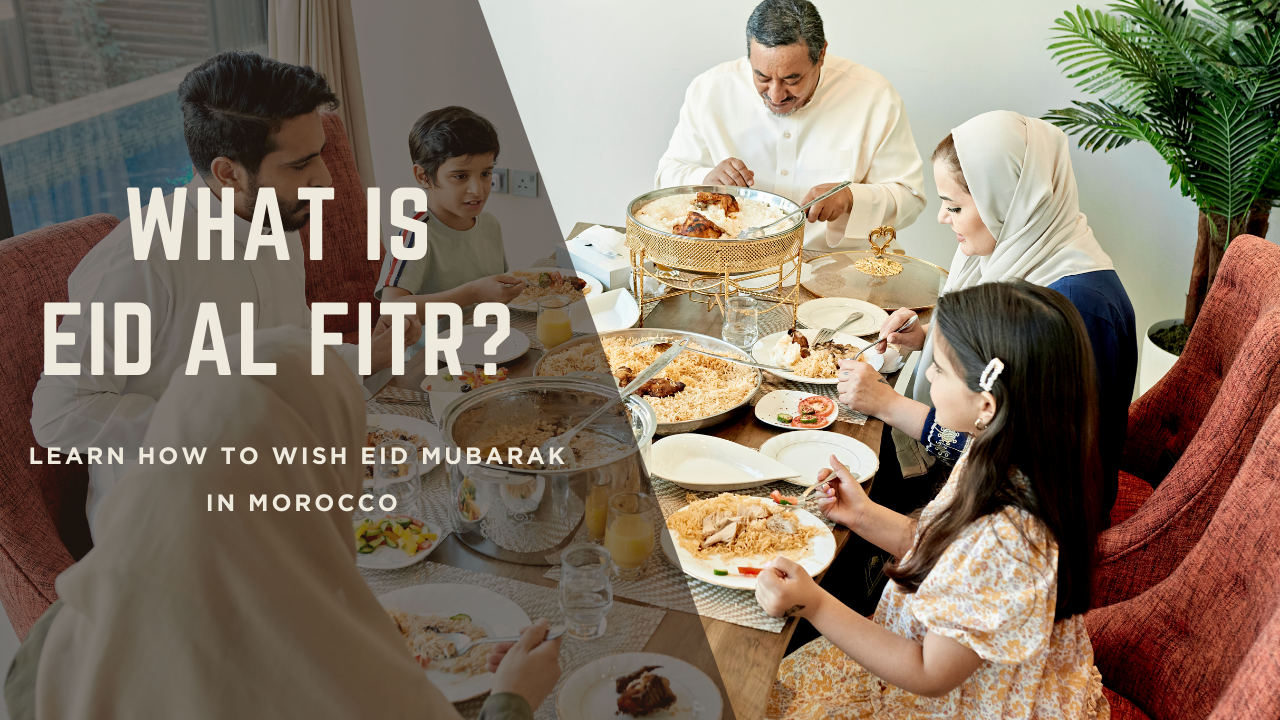
Eid al Fitr is one of the most important celebrations in Morocco 🇲🇦
It marks the end of Ramadan, the holy month of fasting, and is a time of joy, family, and generosity.
If you’re learning Moroccan Arabic (Darija) or planning to visit Morocco, understanding how Eid is celebrated will help you connect with people on a deeper level.
Let’s explore it together:
What is Eid al Fitr?
Eid al Fitr means “the festival of breaking the fast”.
It comes after a full month of:
-
Fasting during Ramadan
-
Prayer and reflection
-
Charity and helping others
On Eid day, Moroccans celebrate the end of this spiritual journey with happiness and gratitude.
When Is Eid Celebrated in Morocco?
Eid is based on the lunar calendar, so the date changes every year.
It begins when the new moon is sighted at the end of Ramadan.
In Morocco, the official announcement is made by religious authorities, and people celebrate the next day.
Getting Ready for Eid
The preparation for Eid starts days before:
-
Buying new clothes
-
Preparing traditional sweets
-
Cleaning the house
-
Shopping for gifts
Wearing new or clean clothes on Eid is an important tradition.
Eid Morning Traditions
Eid starts early in the morning.
Moroccans:
-
Perform the Eid prayer at the mosque
-
Dress in traditional clothing
-
Greet each other with warm wishes
Common greetings:
-
Eid Mubarak → “Blessed Eid”
-
Eid Mubarak said → “Happy Eid”
-
Ta9abal Allah mina wa minkom → “May God accept from us and you”
Food and Family Time
After the prayer, it’s time to celebrate with family.
A typical Eid morning includes:
-
Moroccan tea (atay)
-
Sweets like kaab ghzal and chebakia
-
Pancakes like msemen or baghrir
Families visit each other and spend the day together.
Visiting and Giving
Eid is also about generosity and connection.
People:
-
Visit relatives and neighbors
-
Give money or gifts to children
-
Help those in need
Charity (called Zakat al-Fitr) is given before Eid to support the less fortunate.
Useful Darija Expressions for Eid
Here are some phrases you can use:
-
Eid Mubarak → “Happy Eid”
-
Allah ybarek fik → “May God bless you”
-
Ta9abal Allah mina wa minkom → “May God accept from us and you”
-
Kul 3am o nta/nti bikhir → “May you be well every year”
Using these expressions shows respect and cultural awareness.
Practice Morning Greetings with the Daily Darija Podcast
Want to hear how these expressions sound in real conversations?
🎙️ The Daily Darija Podcast helps you:
-
Hear natural Moroccan Arabic
-
Follow with transcripts
-
Practice pronunciation
-
Learn cultural context
🔗 Listen here → www.dailydarija.com/podcast
Start Speaking Darija Today
Ready to speak Moroccan Arabic with confidence?
👉 Join my full Darija courses → Join my courses
👉 Listen to the Daily Darija Podcast → www.dailydarija.com/podcast
👉 Download your FREE 50 Words and Phrases PDF → Download Here
👉 Follow me on Instagram → @dailydarija